Choosing the right cooling system often comes down to balancing performance, flexibility, and cost. For homeowners dealing with multiple rooms or varying temperature needs, a 3 zone mini split system can seem like an appealing option. At the same time, it may also raise concerns about whether the added complexity is truly necessary.
In some cases, it offers precise control and improved efficiency. In others, it may go beyond what the space actually requires. Looking at how the system works and where it performs best helps clarify whether it is the right fit or more than is needed.
How Multi-Zone Control Works in a 3 Zone Mini Split System
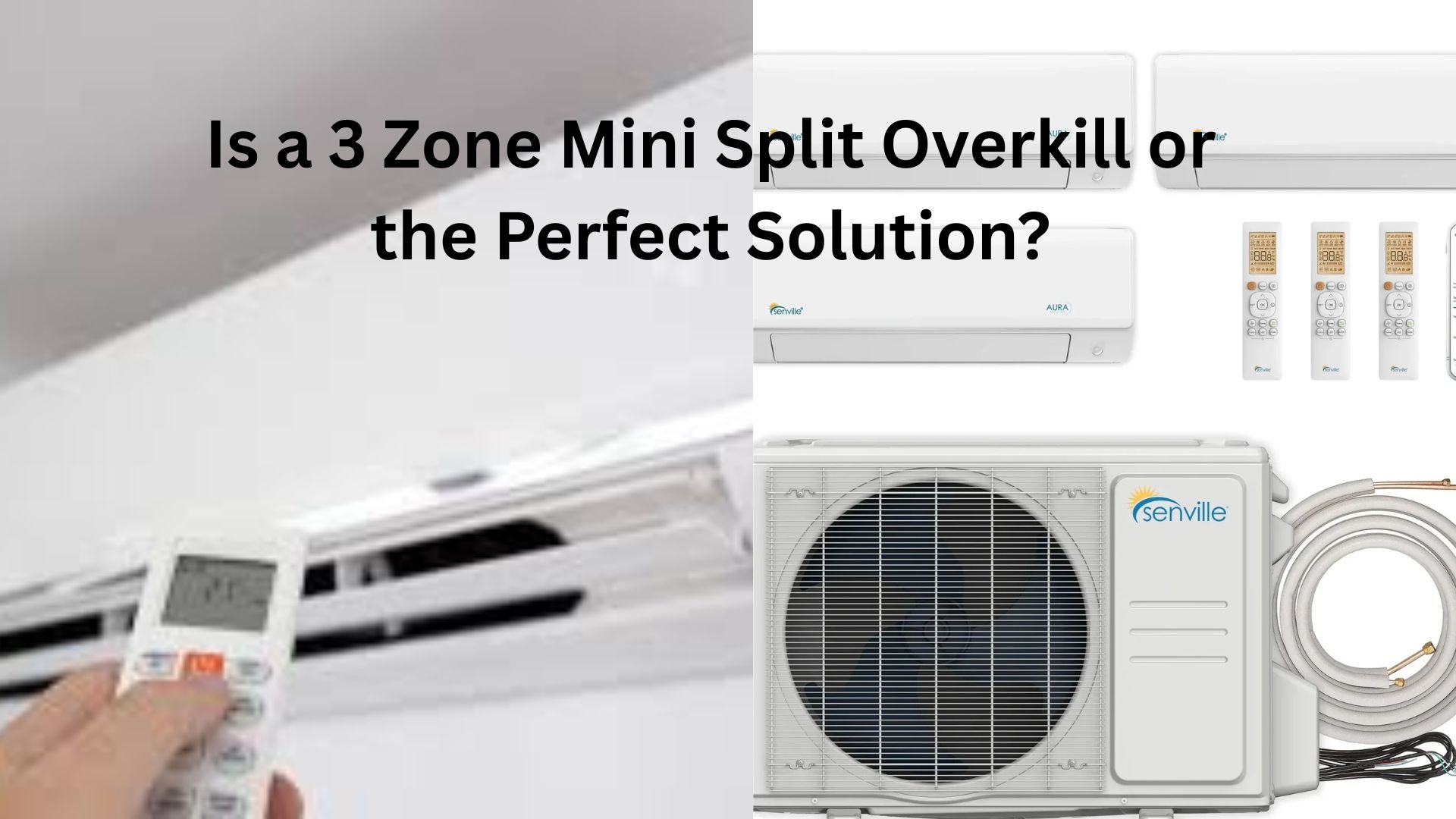
A 3 zone mini split system is designed to connect one outdoor unit to three separate indoor units, each serving a different room or area. These indoor units operate independently, allowing each space to maintain its own temperature setting based on individual needs. This is known as multi-zone control.
Instead of cooling an entire home uniformly, the system adjusts output based on demand in each zone. If one room requires more cooling while another requires less, the system responds accordingly. This targeted approach improves comfort and reduces unnecessary energy use compared to systems that treat the entire space as a single zone.
When a 3 Zone Mini Split Makes Sense
A 3 zone system works well in homes with clearly defined living areas, such as separate bedrooms, home offices, or extensions. It is particularly useful when different parts of the home are used at different times of day. For example, cooling can be focused on occupied rooms while reducing output in unused areas.
It is also a practical solution for homes without existing ductwork. Instead of installing a full central system, a 3 zone mini split can provide efficient cooling with less structural modification. This makes it a strong option for renovations, additions, or older properties.
When a 3 Zone Mini Split Might Be Too Much
Despite its flexibility, a 3 zone system is not always the most practical choice. In smaller homes or open floor plans, the need for separate zones may be limited. In these cases, a single-zone system or a simpler setup can often provide sufficient coverage without added complexity.
Cost is another factor to consider. A multi-zone system typically involves higher upfront investment and more complex installation. If the additional zones are rarely used or do not significantly improve comfort, the system may not deliver meaningful value compared to simpler alternatives.
Comparing a 3 Zone Mini Split to Other Cooling Options
Compared to single-zone mini split systems, a 3 zone setup offers greater flexibility but also requires more planning. Single-zone units are often easier to install and may be more cost-effective for smaller or less segmented spaces.
When compared to central air systems, a 3 zone mini split provides more precise control. Central systems cool the entire home through ductwork, which can lead to energy loss and less targeted performance. A multi-zone mini split, on the other hand, focuses cooling where it is needed, often resulting in improved efficiency.
How to Decide If a 3 Zone Mini Split Is the Right Choice
The decision ultimately depends on how the space is used. Homes with multiple enclosed rooms and varying usage patterns tend to benefit the most from a 3 zone system. In contrast, more compact or open layouts may not require that level of control.
It is also important to consider long-term use rather than immediate needs. A system that aligns with how the space will be used over time is more likely to deliver consistent value. With the right setup, a 3 zone mini split can be an efficient and flexible solution, but only when its capabilities match the actual demands of the space.