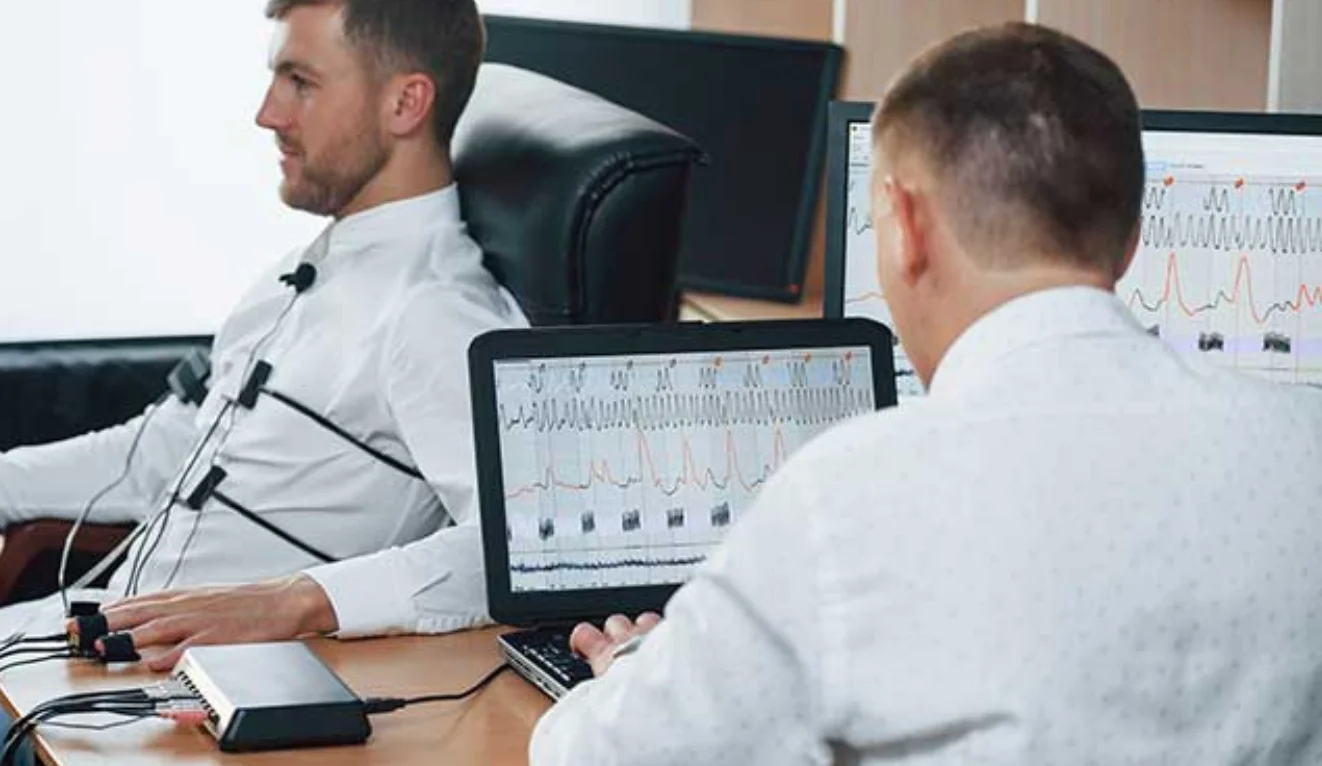
A Polygraph Test, commonly known as a lie detector test, has been used for decades in criminal investigations, employment screening, private disputes, and security-related cases. Despite its widespread recognition, many people still misunderstand how it actually works. Some assume the machine can directly detect lies, while others believe it is entirely foolproof. In reality, a polygraph test is much more complex than simply determining whether someone is telling the truth or lying.
Rather than detecting lies directly, a polygraph test measures physiological responses in the body that may change when a person experiences stress, fear, or anxiety during questioning. These responses are then analyzed by a trained examiner to determine whether deception may be present. Understanding how a polygraph test works can help separate facts from myths and provide a clearer view of its strengths and limitations.
What Is a Polygraph Test?
A Polygraph Test is an examination designed to record multiple physiological signals while a person answers carefully structured questions. The word “polygraph” literally means “many writings,” referring to the multiple body measurements recorded simultaneously during the test.
The purpose of the test is not to catch lies through magic or advanced mind reading. Instead, the test relies on the theory that deceptive answers may trigger involuntary physiological reactions. When a person feels psychological stress, the autonomic nervous system can cause measurable changes in breathing, sweating, pulse, and blood pressure. The polygraph machine captures these changes for analysis.
Polygraph tests are commonly used in law enforcement investigations, government security screenings, probation monitoring, and private disputes such as infidelity investigations or theft accusations. While the results may provide useful investigative clues, they are usually not treated as absolute proof of deception.
The Science Behind a Polygraph Test
The basic scientific idea behind a Polygraph Test is rooted in the body’s stress response. When a person feels threatened, anxious, or fearful, the body activates what is commonly called the “fight or flight” response. This natural reaction causes physiological changes controlled by the autonomic nervous system.
During stressful moments, several body functions may change automatically. Heart rate may increase, breathing can become shallow or irregular, blood pressure may rise, and sweat gland activity can increase. These changes happen without conscious control in many situations.
A polygraph test assumes that when someone lies about a meaningful issue, the stress associated with deception can create stronger physiological reactions than truthful responses. However, this theory is controversial because stress does not always equal deception. A truthful person may feel anxious simply because they fear being misunderstood, while a deceptive person may remain calm.
This limitation is one reason why polygraph testing remains debated among scientists and legal experts.
What Does a Polygraph Machine Measure?
A modern Polygraph Test records several physical signals at the same time. These measurements help examiners compare response patterns during questioning.
Heart Rate and Pulse
The machine monitors cardiovascular activity, including pulse and heart rate. When stress rises, heart rate often increases. Sudden changes during specific questions may be considered significant.
Blood Pressure
A blood pressure cuff is placed around the examinee’s upper arm. Changes in blood pressure may indicate emotional arousal or stress.
Breathing Patterns
Respiration is monitored using pneumograph tubes placed around the chest and abdomen. These sensors record breathing depth and rhythm. Changes such as holding breath, rapid breathing, or irregular breathing may be noted.
Skin Conductivity
Small sensors attached to the fingers measure sweat gland activity, also called galvanic skin response. Even tiny increases in perspiration can alter skin conductivity and indicate nervous system arousal.
Some advanced systems also include motion sensors to detect body movement that could interfere with test results.
Main Components of a Polygraph Device
A Polygraph Test uses specialized equipment to collect accurate physiological data. The main components include:
- Blood pressure cuff for cardiovascular monitoring
- Pneumograph tubes for respiratory tracking
- Finger sensors for sweat response
- Computerized software for recording and chart analysis
- Motion sensors for detecting unusual physical movement
Older polygraph machines used paper chart recordings, while modern systems rely heavily on digital software for data collection and visualization.
Step-by-Step Polygraph Test Process
A typical Polygraph Test follows several stages. The entire process usually lasts between one and four hours depending on the complexity of the case.
Pre-Test Interview
The first phase is the pre-test interview. This is one of the most important parts of the entire process.
During this stage, the examiner explains how the test works, reviews consent procedures, and discusses the issue under investigation. The examiner also gathers background information to better understand the case.
All questions are usually reviewed in advance. This means the examinee knows exactly what questions will be asked during the actual test. Surprise questions are generally avoided because clear and consistent wording improves test reliability.
This stage also helps establish baseline physiological readings.
Sensor Attachment
Once the interview is complete, the examiner attaches the sensors to the examinee’s body.
The blood pressure cuff is secured around the arm, breathing sensors are placed around the chest and abdomen, and finger electrodes are attached to monitor sweat responses.
The examiner ensures the equipment is functioning properly before starting the questioning phase.
Questioning Phase
The questioning phase is where the actual data collection occurs.
The examinee is asked a series of carefully structured questions while the machine records physiological responses. Questions are usually asked multiple times across several chart recordings to improve consistency.
The examiner maintains a calm environment and asks questions in a standardized format to reduce unnecessary interference.
Types of Questions Used in a Polygraph Test
The structure of questioning is crucial during a Polygraph Test. Examiners generally use several categories of questions.
Relevant Questions
These questions directly relate to the issue being investigated.
Examples include questions about theft, fraud, or criminal activity.
Control Questions
Control questions are broader and designed to provoke mild concern or discomfort.
These questions help establish comparison responses. For example, a control question may ask about past dishonesty or rule-breaking.
Irrelevant Questions
These are simple neutral questions with obvious answers, such as asking a person’s name or whether they are sitting in a chair.
These questions help create baseline comparisons.
Recording Physiological Responses
As questions are asked, the polygraph system continuously records body signals. Each response creates patterns on digital charts.
Examiners look for significant physiological changes occurring immediately after certain questions. Large spikes or unusual fluctuations may suggest emotional arousal.
However, raw data alone does not automatically indicate deception. Context and pattern comparison matter significantly.
How Examiners Analyze Results
After data collection, the examiner reviews all recorded charts.
The analysis involves comparing reactions to relevant questions against reactions to control questions. If physiological responses are significantly stronger during relevant questions, the examiner may conclude deception is indicated.
Possible outcomes often include:
- No deception indicated
- Deception indicated
- Inconclusive results
An inconclusive result means the data does not clearly support either conclusion.
Examiner training plays a major role in interpretation, which is one reason human judgment remains central to the process.
Are Polygraph Tests Accurate?
Accuracy remains one of the most debated topics surrounding the Polygraph Test.
Supporters argue that experienced examiners using validated methods can achieve useful accuracy rates in specific investigations. Critics argue that the science behind deception detection remains weak because no physiological reaction is unique to lying.
A major challenge is false positives and false negatives. An innocent person may fail because of stress, while a deceptive person may pass by staying calm.
For this reason, many courts treat polygraph evidence cautiously or exclude it altogether.
Advantages of Polygraph Testing
Despite controversy, polygraph testing offers several benefits.
It can encourage truthful disclosure, support investigations, and provide additional information when evidence is limited. In some cases, the psychological pressure of the examination leads individuals to admit facts before testing is even completed.
Polygraph tests can also help investigators prioritize leads or eliminate certain suspicions.
Limitations of Polygraph Testing
The biggest limitation of a Polygraph Test is that it does not directly detect lies.
It only measures stress-related physiological changes, and stress can result from many causes unrelated to deception. Human interpretation also introduces subjectivity.
Additionally, skilled individuals may attempt countermeasures to manipulate physiological responses, further reducing reliability.
These limitations prevent polygraph tests from being universally accepted as definitive evidence.
Conclusion
A Polygraph Test is a sophisticated tool designed to measure physiological responses such as heart rate, breathing, blood pressure, and sweat activity during questioning. It does not directly detect lies but instead analyzes stress-related reactions that may suggest deception.
Understanding how a polygraph test works reveals both its value and its limitations. While it can serve as a useful investigative aid, it should not be viewed as infallible proof of truth or deception. The accuracy of the test depends heavily on examiner skill, question design, and the physical and emotional state of the person being tested.